GRWM: Understanding the Legal Side of Being an Influencer
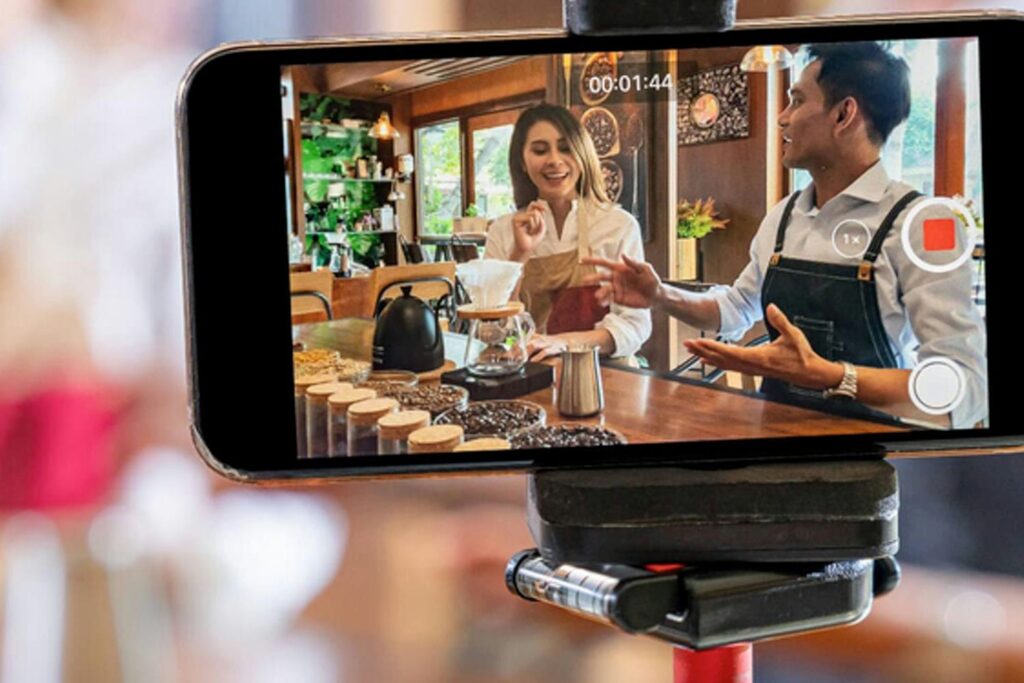
It’s not a secret that almost anyone is able to become a full-time influencer on social media. From shortform content posted on Instagram and TikTok, to longform content such as YouTube videos and podcasts, the influencer landscape is as diverse as the media they create. And while some find their niche choreographing the latest dance trends, creating home cooked high-protein meals, styling their daily outfits in GRWM (get ready with me) videos, or providing legal insights, the commonality is that anyone desiring to become a full-time paid influencer will need to understand the business and legal sides of the industry.
Income and Taxation
It is important to remember that money earned as an influencer is considered income by the Canadian Revenue Agency (CRA) and should be disclosed annually on your tax return, whether or not it is earned in or outside of Canada.
Example of income generated by influencers includes, but is not limited to:
- Money paid for subscriptions and views from social media companies and audiences;
- Paid advertising/collaborations conducted with/for other businesses;
- Sponsorships from other businesses;
- Tips, gifts, and donations from followers and social media audiences;
- Sale of merchandise;
- Non-monetary benefits, including free trips, tickets, products, and merchandise; and
- Sponsor referral codes for merchandise and product promotions.
The manner in which an influencer’s income is disclosed to the CRA will largely depend on if the influencer’s business is structured as a corporation or a sole proprietorship.
Corporation vs. Sole Proprietorship
There are several reasons an influencer may decide to incorporate or remain as a sole proprietor, and this may vary person to person.
First, depending on the level of income earned, some influencers may benefit from the lower corporate tax rate, especially as their income reaches the higher tax brackets. Influencers may also wish to consider incorporation as a step to protect themselves from personal liability. As a sole proprietor, business debts, lawsuits, and other forms of liabilities will usually be made against the influencer themselves, putting their personal assets at risk. Alternatively, influencers who incorporate will generally have these liabilities aimed at their corporations, thus adding a layer of protection for themselves. Finally, some brands, businesses, and lenders may treat corporations as more credible than a sole proprietorship.
While incorporation offers taxable benefits, liability protection, and added credibility, this does not mean that all influencers should incorporate. Some influencers may not earn enough income to take advantage of the taxable benefits. Also, corporations require costs to start and maintain and additional administrative attention, that may be too complicated for bourgeoning content creators.
However, it is important to note that both structures permit the hiring of employees and the use of tax deductions, albeit with their own benefits and costs. Influencers interested in learning whether they should incorporate or proceed as a sole proprietorship should contact a lawyer.
Sponsorships, Brand Deals, and Advertising
Over the last decade, businesses and brands have taken notice of the way influencers can reach social media audiences in a manner that can create lasting impressions in the market. As a result, we have seen a growing change in the way that companies choose to advertise their products and services, notably with the help of social media influencers.
When entering into agreements for sponsorship and brand deals, influencers should be mindful of the specific contractual terms, social media platform rules, and advertising laws that could carry risk and liability. Notably, the Canadian Code of Advertising Standards outlines some of the regulations for acceptable advertising, which extends to influencers and sponsorships through social media platforms. The Canadian Ad Standards even has a dedicated Influencer Marketing Disclosure Guideline aimed at educating content creators in the marketing sector. When negotiating contracts with brands and other businesses, influencers may wish to consider retaining a lawyer to assist them throughout the drafting and performance of the agreement.
Another area of advertising law that is not always considered by influencers is the rules surrounding contests and promotional giveaways. By offering their audiences a chance to win a prize through their content, influencers are inadvertently creating “illegal lottery schemes” which challenge the Criminal Code and social media platform’s internal rules (ex. Instagram’s Promotion Guidelines). To ensure conformity with the various rules and laws at play, it is crucial that influencers maintain (or have a lawyer prepare) adequate contest terms to limit the influencer’s liability and risk.
While social media virality can happen overnight, long-term success is built slowly by taking the right steps. Whether you’re looking to start earning income as an influencer, or if you have an established social media presence and are looking to grow your business, RJS LAW is available to guide you every step of the way.
RJS LAW has experience working with individuals across a diverse set of industries to help them launch and grow their businesses. From incorporation to commercial agreements to regulatory compliance, we would be happy to provide you and your business with tailor-made solutions and advice to help you smoothly navigate any challenges you may face. Please note: this article is intended for informational purposes only and does not constitute legal advice. Please contact RJS LAW for any specific questions or advice.